That chalky build-up on the shower glass, the orange tinge around the drain, the mould creeping along silicone - bathroom grime is rarely one problem. A proper guide to bathroom deep cleaning products needs to match the product to the mess, because the wrong formula wastes time, adds scrubbing, and still leaves the bathroom looking half-clean.
In Kiwi homes, bathrooms tend to cop a bit of everything at once - steam, soap residue, body oils, hard water marks, mildew, odours, and damp corners that never seem to fully dry. One all-purpose spray usually will not cut it. If you want a genuinely deep clean, the smartest approach is to use targeted products that break down the source of the problem rather than just making the room smell stronger.
Why bathroom deep cleaning products matter
Bathrooms build layers. Soap scum sticks to glass and tiles. Mineral deposits cling to taps and screens. Mould settles into grout, silicone, and ceilings. Toilet soils and urine residue create odours that standard fragranced cleaners often mask rather than remove.
That is why deep cleaning products are different from everyday wipes and surface sprays. They are designed to shift stubborn contamination, not just tidy up visible mess. In practice, that means choosing formulas built for a specific job - descaling, mould removal, soap scum breakdown, sanitising, or odour elimination.
There is also a trade-off worth knowing. Stronger is not always better if it is the wrong chemistry for the surface or stain. A harsh product can underperform on the wrong issue, or worse, damage finishes. The goal is precision, not brute force.
A guide to bathroom deep cleaning products by problem
If your bathroom cleaning feels hit and miss, the issue is usually product mismatch. Here is how to think about each category.
Shower and soap scum removers
Soap scum is not just soap. It is a sticky film made up of soap residue, skin oils, minerals, and product build-up. That is why it can feel almost greasy on some surfaces and chalky on others.
A dedicated shower cleaner or soap scum remover is the right tool here. These products are formulated to break down the film quickly so you are not relying on elbow grease alone. They work best on shower glass, tiles, trays, and chrome, but always check compatibility before using on natural stone or delicate finishes.
If the shower screen still looks cloudy after cleaning, that may not be soap scum alone. Etching or hard water mineral build-up can leave a permanent haze. In that case, a soap scum remover helps, but it will not reverse existing surface damage.
Mould and mildew removers
Mould in bathrooms usually shows up on grout, silicone seals, ceilings, window frames, and around wet corners with poor airflow. Surface wiping is rarely enough because mould spores settle into porous materials and keep returning if the source is not properly treated.
A dedicated mould remover is built to kill and lift visible growth far more effectively than a general bathroom spray. This is where targeted chemistry matters. You want a product that deals with the mould itself, not one that simply bleaches the area lighter for a few days.
Ventilation still matters. If the bathroom stays damp, mould will keep trying to come back. Deep cleaning products fix the contamination you can see, but reducing ongoing moisture is what helps keep the area clean for longer.
Limescale and mineral deposit removers
In some homes, especially where water leaves visible spotting, taps, shower heads, and screens develop scale that regular cleaners barely touch. Mineral deposit removers are designed for this exact job.
These formulas dissolve calcium and other hard water residues that create white crusting and dullness. They are ideal for fixtures and glass, but not every product suits every finish. Some metals, stone surfaces, and specialty coatings need a gentler option.
If scale is heavy, do not expect a perfect first pass. Deep deposits often need repeat treatment with correct dwell time.
Toilet deep cleaners
Toilets need more than a quick squirt under the rim. Deep toilet cleaners are designed to tackle scale lines, staining, organic residue, and odours around the bowl and trap.
This matters because toilet odour is not always coming from what you can see in the bowl. Splashback, residue around hinges, and urine build-up around the base can all contribute. A strong toilet cleaner handles the bowl, but the surrounding surfaces often need a separate targeted product, especially where odour has soaked into grout lines or flooring joins.
Odour-eliminating cleaners
This is the category many people miss. If a bathroom still smells off after cleaning, there is usually residue left behind in the grout, around the toilet base, bath mats, drains, or soft materials nearby. Fragrance-heavy sprays only cover it.
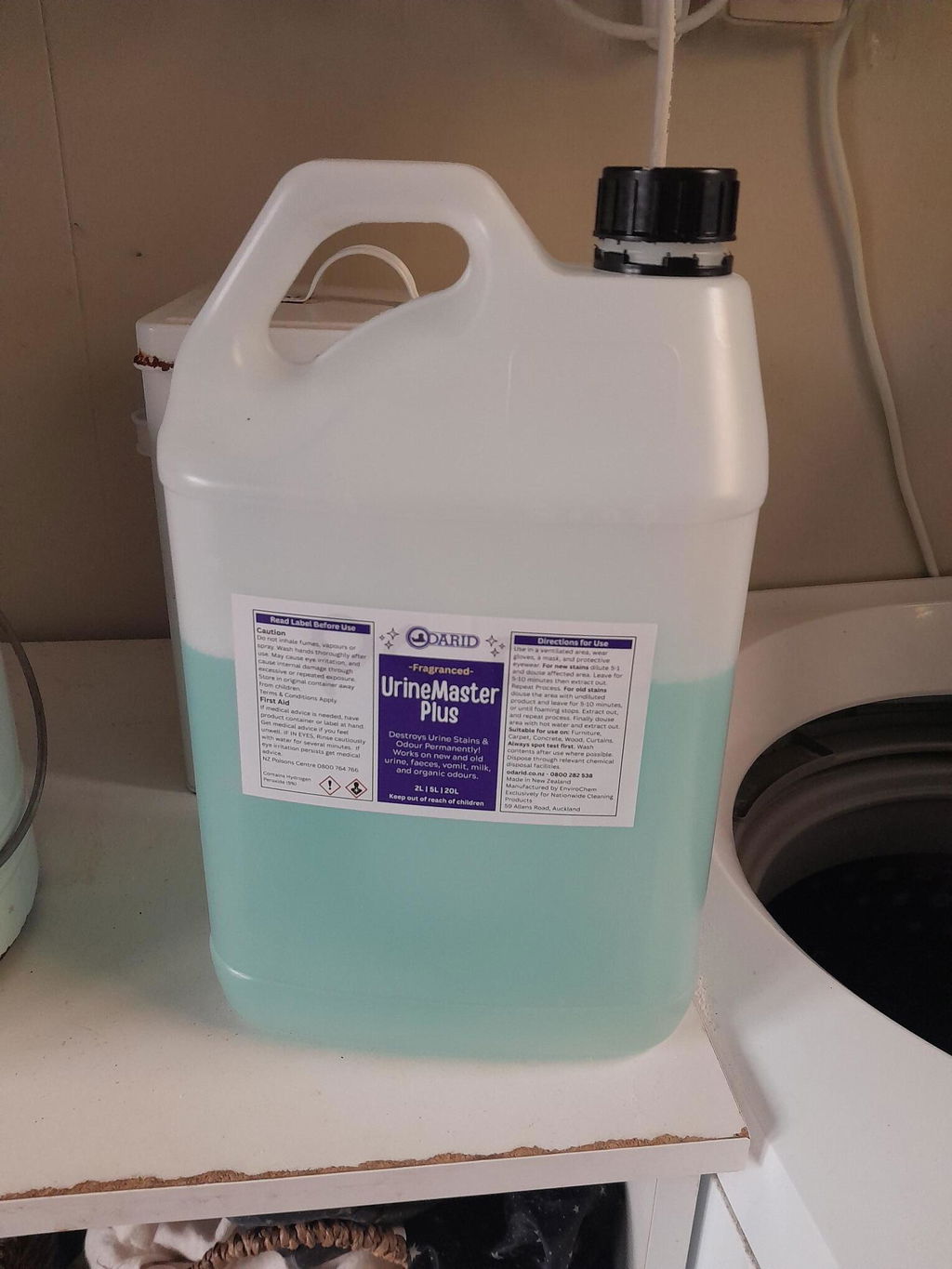
A proper odour remover should break down the source at a molecular level. That is especially useful in family bathrooms, rental properties, and homes with young children or pets, where accidents and hidden urine residue can create lingering smells. No masking, no gimmicks - just elimination.
Disinfectants and sanitisers
Disinfectants have their place, especially on high-touch surfaces like flush buttons, taps, handles, and toilet seats. But disinfection is not the same as deep cleaning. If a surface is coated in soap film, grime, or mould, disinfectant alone will not solve the problem.
The best result usually comes from cleaning first, then disinfecting where hygiene matters most. This two-step approach is more effective than spraying sanitiser over visible build-up and hoping for the best.
What to look for in bathroom deep cleaning products
Not all bathroom products earn space in the cupboard. The best ones do three things well - they target a specific problem, work with minimal scrubbing, and leave a genuinely clean result rather than a perfumed cover-up.
When comparing products, look for clear use cases on the label. A good formula should tell you exactly what it is for, whether that is soap scum, mould, limescale, urine odour, or general bathroom hygiene. Vague promises usually mean vague results.
It also pays to look for mechanism-based credibility. Products that explain how they work - whether by oxidising stains, dissolving build-up, or breaking down odour compounds - tend to be more trustworthy than products leaning only on scent or marketing language.
For family homes, safety matters too. That does not mean every deep cleaner will be mild, but it should come with clear directions for safe use around kids, pets, and enclosed bathroom spaces. Good ventilation, gloves where needed, and proper rinsing are part of getting professional-strength results safely.
How to use bathroom deep cleaning products properly
Even the right product can underperform if you rush it. Most deep cleaning formulas need contact time to work. Spray-and-wipe sounds appealing, but stubborn grime usually needs a few minutes to break down before rinsing or scrubbing.
Work in sections rather than trying to coat the whole bathroom at once. Start with the shower or bath so the product can dwell while you tackle mirrors, vanity surfaces, or the toilet exterior. Then come back and rinse thoroughly.
Do not mix products. This is especially important with mould removers, descalers, and disinfectants. Mixing cleaners is not a shortcut - it can reduce effectiveness or create unsafe fumes.
Use the right tools as well. A non-scratch pad, grout brush, microfibre cloth, and an old toothbrush for tight edges will get better results than overusing harsh abrasives. Scrubbing harder is rarely the smartest option if the chemistry has not had time to do its job.
The most common mistakes people make
The biggest mistake is trying to use one product for every job. Bathrooms need targeted solutions because grime types behave differently. Soap scum, mould, and urine residue do not respond the same way.
The second mistake is cleaning what is visible and ignoring hidden odour zones. Behind the toilet, around the base, under bath mats, inside drains, and along silicone edges are all common problem spots.
The third is expecting fragrance to equal clean. A bathroom can smell sharp, floral, or lemony and still have residue left behind. If you want real results, choose products that remove the cause.
Choosing the right setup for your bathroom
Most homes do not need a huge cleaning arsenal. A small, well-chosen set of products usually does the job better. For most Kiwi bathrooms, that means a soap scum remover for the shower, a mould remover for damp areas, a toilet deep cleaner, and an odour-eliminating product for hidden residue problems.
If your bathroom has recurring pet or toilet-related odours, or you are cleaning after tenancy changes, renovations, or family accidents, targeted odour control becomes even more important. That is where tested, formulated solutions from specialist brands such as Cleansmart make more sense than supermarket sprays that simply add perfume.
Deep cleaning is not about using more product. It is about using the right one at the right time, on the right surface. Get that right, and the bathroom does not just look cleaner - it stays fresher, feels more hygienic, and takes less effort to maintain next time.
Deep clean your bathroom without the scrubbing
Our Professional Strength Shower Cleaner cuts through soap scum and grime fast.
Shop Shower Cleaner →Rated 4.9/5 from 1,400+ verified reviews (92% five-star) · NZ-made, family-run since 2004