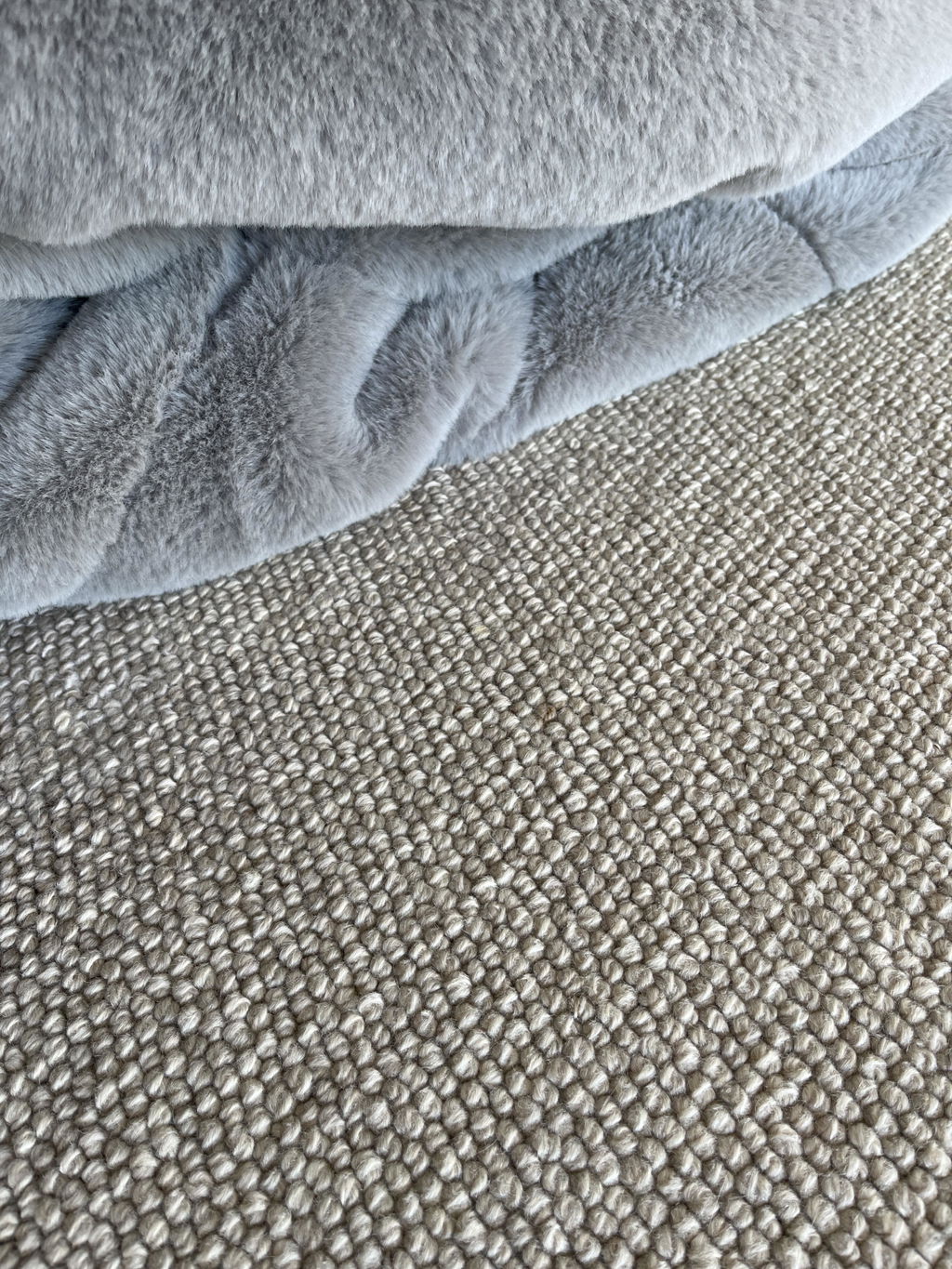
The moment you catch that sharp urine smell in the lounge, speed matters. If you need to remove dog urine from sofa fabric, the right approach can save the cushion, stop the smell settling in, and prevent your dog from returning to the same spot. The wrong approach usually does the opposite - it spreads the stain, pushes urine deeper, or covers the odour for a day or two without actually fixing it.
Dog urine in upholstery is more stubborn than it first appears. What you see on the surface is often only part of the problem. Sofa fabric, padding, and the layer beneath can all absorb liquid, and once urine dries, the odour-causing compounds stay behind. That is why a quick spray of something heavily perfumed rarely solves it. In many Kiwi homes, the smell seems to disappear, then comes back on humid days or when someone sits on the cushion and warms the area.
Why dog urine is so hard to remove from a sofa
A sofa is not like a hard floor where you can wipe and move on. Upholstery has layers, and urine can travel fast through woven fabric into foam. Once it gets into the padding, you are no longer dealing with just a surface stain. You are dealing with uric compounds, bacteria, and trapped moisture sitting inside the furnishing.
That matters for two reasons. First, odour masking products do not break down the source of the smell. Second, too much water can make the problem worse by spreading the urine ring and leaving the sofa damp for too long. Effective treatment needs to target the contamination itself, not simply freshen the room.
Remove dog urine from sofa fabric: the right first steps
If the accident is still fresh, blot immediately with clean, dry towels or paper towels. Press firmly to lift as much liquid as possible, but do not scrub. Scrubbing pushes urine further into the fibres and can rough up the fabric surface.
Once you have absorbed what you can, check the sofa's care label if it is available. Some fabrics tolerate water-based cleaning well, while others need more caution. If you are dealing with delicate upholstery such as velvet, linen blends, silk-look fabrics, or a vintage piece, test any cleaning product on a hidden area first.
The goal at this stage is simple: remove as much urine as possible without spreading it. If the accident has reached the cushion insert, unzip the cover if the sofa design allows it and inspect the foam. A dry-looking surface can still hide wet padding underneath.
What not to use
A lot of well-meant home remedies create extra work. Hot water is a common mistake because heat can help set the stain and intensify odour. Steam cleaning too early can do the same thing. Vinegar and baking soda are often recommended online, but results are mixed. They may dull the smell temporarily, yet they do not always fully break down the urine compounds lodged in upholstery foam.
Strong household disinfectants can also be a poor fit for sofas. Some bleach-based or high-fragrance cleaners can damage fabric dyes, leave residue, or create a smell that is nearly as unpleasant as the original problem. If you are cleaning a sofa in a home with pets, children, or allergy sensitivities, residue matters.
The method that works better
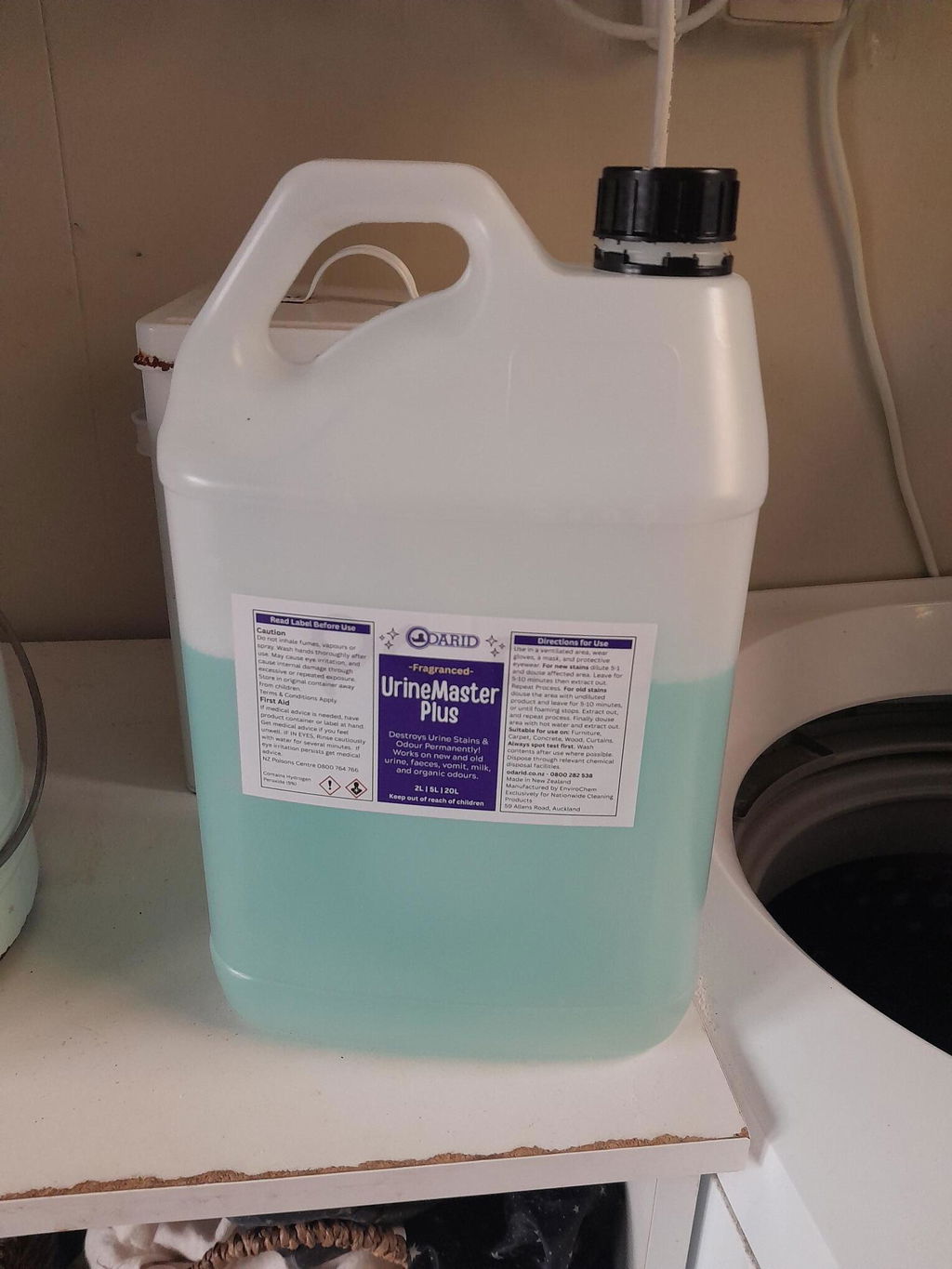
For a proper result, use a purpose-made urine treatment designed to break down odour and stain compounds at a molecular level. That is the difference between covering up a pet accident and actually removing it. A professional-strength formula made for soft furnishings is usually the safest and most effective choice, especially if the urine has soaked below the fabric surface.
Apply enough product to reach the same depth as the urine contamination. This is where many people under-treat the area. If only the top fabric is dampened with cleaner but the urine has gone into the cushion, the smell often returns because the source is still sitting inside.
Let the treatment dwell for the recommended time. Rushing this part reduces results. A proper odour remover needs contact time to break down what is causing the smell. After that, blot again with clean towels to lift excess moisture.
If the accident is older, you may need a second treatment. That is not a sign the product is weak. It usually means the urine spread more widely than expected, or there were multiple accidents in the same area. Old dog urine can also crystallise and become more noticeable again when humidity rises.
How to deal with dried urine stains and odours
A dried urine patch is usually harder to identify by sight than by smell. Start by locating the full affected area. If needed, lightly dampen the surrounding fabric with water to see if the odour sharpens, which can help confirm the extent of contamination. Do not soak the whole cushion aimlessly.
Treat the stained and surrounding area generously with a specialist urine odour and stain remover. Work from the outside of the affected patch inward so you do not spread the stain edge. Then allow it time to work through the fabric and into the padding.
Once treated, blot and air dry thoroughly. Good airflow matters. Open windows, use fans if needed, and avoid putting the sofa back into heavy use while it is still damp. If the cushion can be removed and stood on its side safely, that can help it dry more evenly.
One practical point - if the foam insert itself is heavily saturated and has been left for days, sometimes the insert needs separate treatment or replacement. There is a limit to what surface cleaning can achieve when contamination is deep and prolonged. A realistic approach saves time.
Different sofa fabrics need slightly different care
Not all upholstery behaves the same way. Microfibre and many synthetic blends tend to respond well to targeted pet urine treatment because the fabric is durable and less absorbent than natural fibres. Cotton and linen blends can be more prone to water marks and may need careful, even application to avoid tide lines.
Leather is a separate case. If dog urine has hit a leather sofa, blot immediately and use a product suitable for leather surfaces. Standard fabric treatments are not always appropriate there, especially if they over-wet the material. Urine can still seep into seams and cushioning beneath leather, so the visible surface may not tell the full story.
If your sofa is labelled dry-clean only, proceed carefully. Spot testing is essential, and if the urine has reached internal padding, professional upholstery help may be the better call. No sensible cleaner should promise identical results across every fabric type because sofas vary too much in weave, dye stability, and construction.
Why the smell keeps coming back
When people say they cleaned the sofa but the room still smells, one of three things has usually happened. The urine was only treated on the surface, the wrong product was used, or the area was not fully dried after cleaning. Sometimes there is also contamination on the sofa frame, under the cushion, or on nearby soft furnishings.
Dogs can pick up residual scent far better than we can. Even if the smell seems faint to you, your dog may still detect it and treat that spot as an approved toilet area. That is why proper odour elimination matters beyond hygiene. It helps break the repeat-accident cycle.
In homes dealing with regular pet accidents, using a tested, formulated solution such as Odarid makes far more sense than rotating through supermarket cleaners and hoping one finally works. The point is elimination, not perfume.
Aftercare matters too
Once the sofa is fully clean and dry, consider protecting it from the next accident. Washable throws can help in high-risk periods, especially with puppies, senior dogs, or pets adjusting to a new routine. If your dog has started toileting indoors suddenly, it is also worth looking at the cause. Stress, illness, age, and disrupted toilet habits can all play a part.
Fabric protection can also make future clean-up easier by slowing absorption into the fibres. It is not a substitute for proper urine treatment, but it can reduce how deeply accidents penetrate and buy you more response time.
If you are cleaning often, consistency matters. The sooner you treat urine, the better the result tends to be. Fresh accidents are usually simpler to fully remove than ones left to dry through the cushion.
A sofa does not need to be written off because of one accident, or even a few. Most pet urine issues can be fixed if you deal with the source properly, avoid the usual masking tricks, and treat the full depth of the contamination. In Kiwi homes, that practical approach is what keeps furniture fresh, not wishful thinking and air freshener.