By Robyn, Founder of Cleansmart NZ · Last updated: August 2026
Since 1 December 2025, tenants in New Zealand must get written consent before keeping a pet in a rental, landlords must respond within 21 days and can only decline for reasonable grounds, and an approved pet can come with a bond of up to two weeks' rent on top of the usual bond. These rules are now well established, but the details still trip people up — especially around bonds, damage responsibility, and what's changed for pets already living in a property before the cut-off.
Who Needs to Ask for Pet Consent?
If a tenant wants to start keeping a pet on or after 1 December 2025, they must ask their landlord for written permission first — whether it's a dog, cat, bird, rabbit or another animal. If a pet was already living in the property with the landlord's permission before that date, the old agreement stays in place and the landlord can't add new conditions on top of it.
How Long Does a Landlord Have to Respond?
Landlords must reply in writing within 21 days of a pet consent request, and must say yes unless they have reasonable grounds to decline. Reasonable grounds can include the property not being suitable for that type of pet, local animal bylaws not allowing it, or the tenant not having met previous pet consent conditions. If a landlord declines without a valid reason, they could face a penalty of up to $1,500.
Can Landlords Charge a Pet Bond?
Yes. If a landlord approves a pet, they can charge a pet bond of up to two weeks' rent, on top of the usual general bond (up to four weeks). This only applies to pets approved under the new rules — not to pets already living in the home with permission from before 1 December 2025.
How Do Pet Bonds Get Lodged Now?
As of 29 June 2026, all bond transactions — including pet bonds — moved online through Tenancy Services' Bond Hub or integrated property management software, replacing the older paper-based lodgement process. For property managers handling pet bonds across multiple properties, this means lodging and tracking them the same way as the general bond, through Bond Hub or whichever property management software is already in use, rather than a separate manual process.
Who's Responsible for Pet Damage?
Tenants are responsible for any damage a pet causes beyond normal wear and tear — scratched floors, damaged screens, broken fencing and similar. It's worth documenting the property's condition with photos before a pet moves in, so there's a clear record if a dispute comes up later.
Are Any Pets Exempt From These Rules?
Certified disability assist dogs, such as guide dogs or hearing dogs, are exempt. A landlord must allow them, no written consent is needed, and no pet bond can be charged. Emotional support animals without official certification aren't covered by this exemption.
Quick Checklist
For tenants
- Ask in writing before keeping a pet (for pets moved in on or after 1 December 2025).
- Expect a response within 21 days.
- Be prepared for a pet bond if approved, and to cover damage beyond normal wear and tear.
For landlords and property managers
- You can only decline a pet request if you have reasonable grounds.
- Respond in writing within 21 days.
- You can set reasonable conditions and charge a pet bond of up to two weeks' rent.
- Pet bonds are now lodged online through Bond Hub or your property management software.
If You're Managing Pet Odour or Curtain Mould at the End of a Tenancy
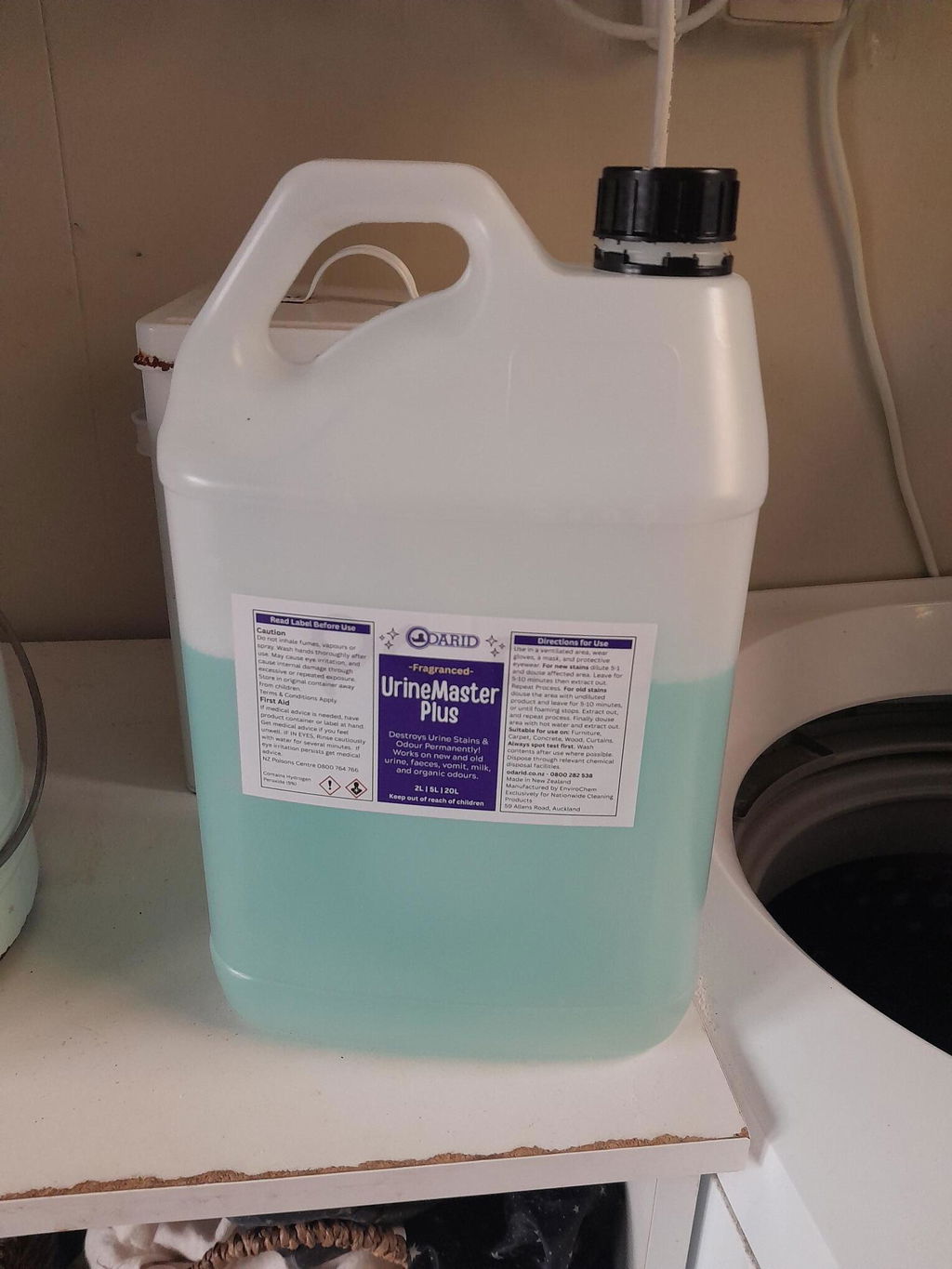
Whether it's one rental or a whole portfolio, this is exactly what Odarid and Cleansmart Curtain Mould Remover are built for — pet urine odour and curtain mould, sorted fast, without replacing carpet or curtains. If you manage properties for a living, see our page for property managers and letting agents for trade pricing and bulk options, or email me directly at sales@cleansmart.co.nz.
Frequently Asked Questions
Do the new pet rules apply to pets I already had before December 2025?
No. If a pet was already living in the property with your landlord's written or informal permission before 1 December 2025, the old arrangement continues and the landlord can't add new conditions or charge a new pet bond on top of it.
Can a landlord say no to a pet just because they don't like pets?
No. A landlord can only decline a pet consent request if they have reasonable grounds — such as the property being unsuitable, local bylaws not permitting the animal, or the tenant not having met previous conditions. Declining without a valid reason can lead to a penalty of up to $1,500.
Is a pet bond separate from the normal bond?
Yes. A pet bond of up to two weeks' rent is charged in addition to the standard bond of up to four weeks' rent, and both are now lodged through Bond Hub or integrated property management software.
What counts as damage beyond normal wear and tear?
Things like scratched floors, damaged screens, chewed skirting or broken fencing typically go beyond normal wear and tear. Everyday marks from reasonable pet ownership generally don't. Photographing the property's condition before a pet moves in helps if this is ever disputed.
Do property managers need to do anything differently because of Bond Hub?
Pet bonds are now lodged and tracked the same way as the general bond — through Bond Hub or whatever property management software is already in use — rather than a separate paper process. Worth checking your software vendor has this set up if you haven't already.
Property manager handling a pet-related end of tenancy?
See how CleanSmart helps letting agents turn properties around fast, with trade options for teams handling multiple properties.
See the property manager page →Trade and bulk options available · contact sales@cleansmart.co.nz or 021 482 120