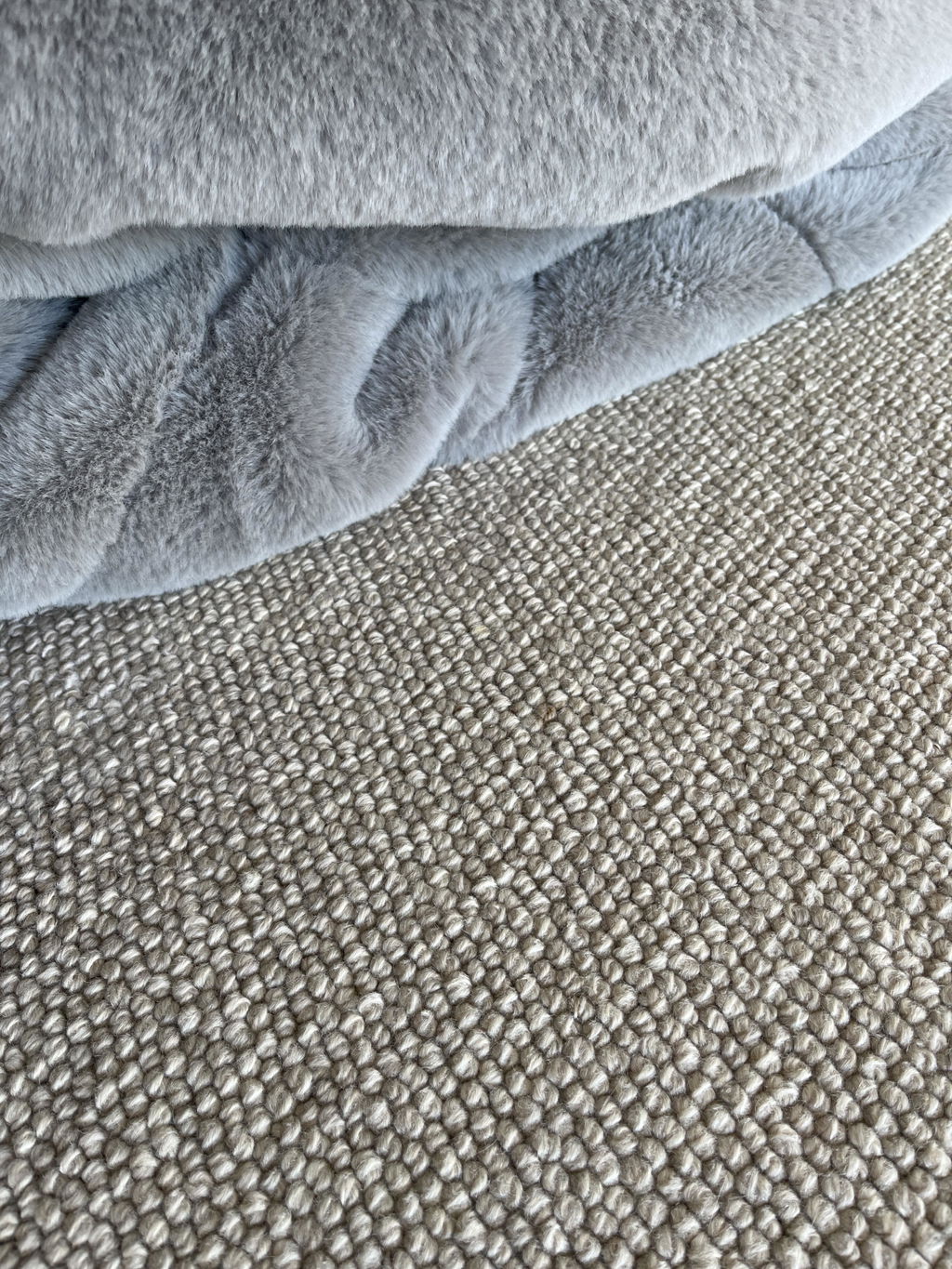
That sharp, stale smell in a rug usually means one thing - the urine is still in the fibres, backing, or underlay, even if the surface looks clean. If you want to know how to remove urine smell from rugs, the key is not more perfume, more scrubbing, or more guesswork. You need to break down the urine residue properly and treat the rug all the way through, not just the top layer.
This matters even more in Kiwi homes with pets, kids, or warm rooms where odours hang around. A rug can seem fine when it is dry, then smell again the moment humidity lifts or the room heats up. That is a sign the source was never fully removed.
Why urine smell keeps coming back
Urine is not just a wet patch. Once it dries, it leaves behind uric acid crystals, salts, bacteria, and proteins. Those residues cling to rug fibres and often soak into the backing. On some rugs, they can also reach the underlay or floor underneath.
That is why supermarket sprays so often disappoint. Many are designed to freshen the area, not eliminate what is causing the smell. Fragrance can cover odour for a while, but as soon as moisture in the air reactivates the residue, the smell returns. No masking, no gimmicks - proper removal comes down to treating the source.
How to remove urine smell from rugs without making it worse
The first step depends on whether the accident is fresh or old. A fresh patch is easier to deal with because less residue has had time to settle into the rug.
If the urine is fresh
Blot immediately with clean, dry towels or paper towels. Press firmly to lift as much liquid as possible, but do not rub. Rubbing spreads the stain and pushes urine deeper into the fibres.
Once you have removed the excess moisture, rinse lightly with a small amount of cool water and blot again. The goal is dilution, not soaking. Too much water can drive the contamination further down and make drying slower.
After that, apply a proper urine odour remover that is designed to break down organic residues. This is where the product matters. A targeted formulation can reach beyond the visible spot and deal with what you cannot see.
If the smell is old or keeps returning
Old urine smells need a different mindset. The visible area is often smaller than the actual contamination. You may need to treat a larger section of the rug than you expect, especially if a pet has used the same area more than once.
Start by locating the full affected zone. Your nose helps, but in bright natural light you may also spot yellowing or tide marks. Treat beyond the edges of the obvious stain so you are not leaving hidden residue behind.
Apply enough solution to reach the same depth as the original accident. This is the part many people miss. If urine soaked through to the backing, a light surface mist will not solve it. The treatment has to get to the source.
The right way to treat the rug
A professional-strength urine remover should be worked in by saturation rather than scrubbing. That does not mean flooding the room. It means applying enough product to contact the contaminated fibres and backing so the active ingredients can do their job.
Leave it to dwell for the time recommended on the label. Rushing this stage is a common reason people think a product has failed. The chemistry needs time to break down the odour-causing matter at a molecular level.
After dwell time, blot away excess moisture and allow the rug to dry completely. Good airflow helps. Open windows if weather allows, use a fan, and keep pets and foot traffic off the area while it dries. A rug that stays damp for too long can develop other odour issues, and that only complicates the problem.
What not to use on urine smells
It is tempting to throw every home remedy at the rug, especially if the smell is embarrassing or persistent. The trouble is, some common fixes create extra work.
Hot water can set proteins and intensify odours. Steam cleaning too early can also lock in residue if the urine has not been neutralised first. Bleach is risky on rugs and rarely the right answer for pet urine. It can damage colour, affect fibres, and leave a harsh smell of its own. Strong disinfectants may sanitise a surface, but they do not necessarily break down uric acid crystals.
Vinegar can help in some cleaning jobs, but it is not always enough for established urine odours, especially in thick rugs or repeated pet accidents. Baking soda may absorb a bit of smell on the surface, but it does not reliably remove the cause once urine has soaked in.
Rug type makes a difference
Not every rug should be treated the same way. Synthetic rugs are generally more forgiving and respond well to a thorough odour treatment. Wool and natural fibre rugs need more care. They can hold moisture, react to over-wetting, and in some cases change texture or colour if treated too aggressively.
If you have a delicate, handwoven, or high-value rug, test any product on a small hidden area first. You still need to deal with the odour properly, but the approach should balance odour removal with fibre safety.
Shaggy rugs can be especially tricky because urine settles deep near the base. In those cases, surface cleaning rarely fixes the smell. You need enough solution and enough drying time to treat the full depth.
When the smell is in the backing or underneath
Sometimes the rug is only part of the problem. If urine has gone through to the underlay, timber, or concrete underneath, the smell can linger no matter how often you clean the top.
Lift the rug if possible and check below. If the floor underneath smells, it also needs treatment. This is common with repeated accidents, older pets, and larger dogs. If you ignore the layer underneath, the odour can travel back up into the rug, especially on damp days.
For severe cases, the underlay may need replacing. That is not what anyone wants to hear, but it is better than endlessly spraying the surface and wondering why the smell keeps coming back.
Choosing a product that actually works
If you are comparing options, look for a formula made specifically for pet urine odour and stain removal, not a general carpet freshener. The best performers are designed to eliminate the source, not cover it. That usually means an enzyme-based or oxidation-based formulation, or a targeted combination that breaks down organic matter properly.
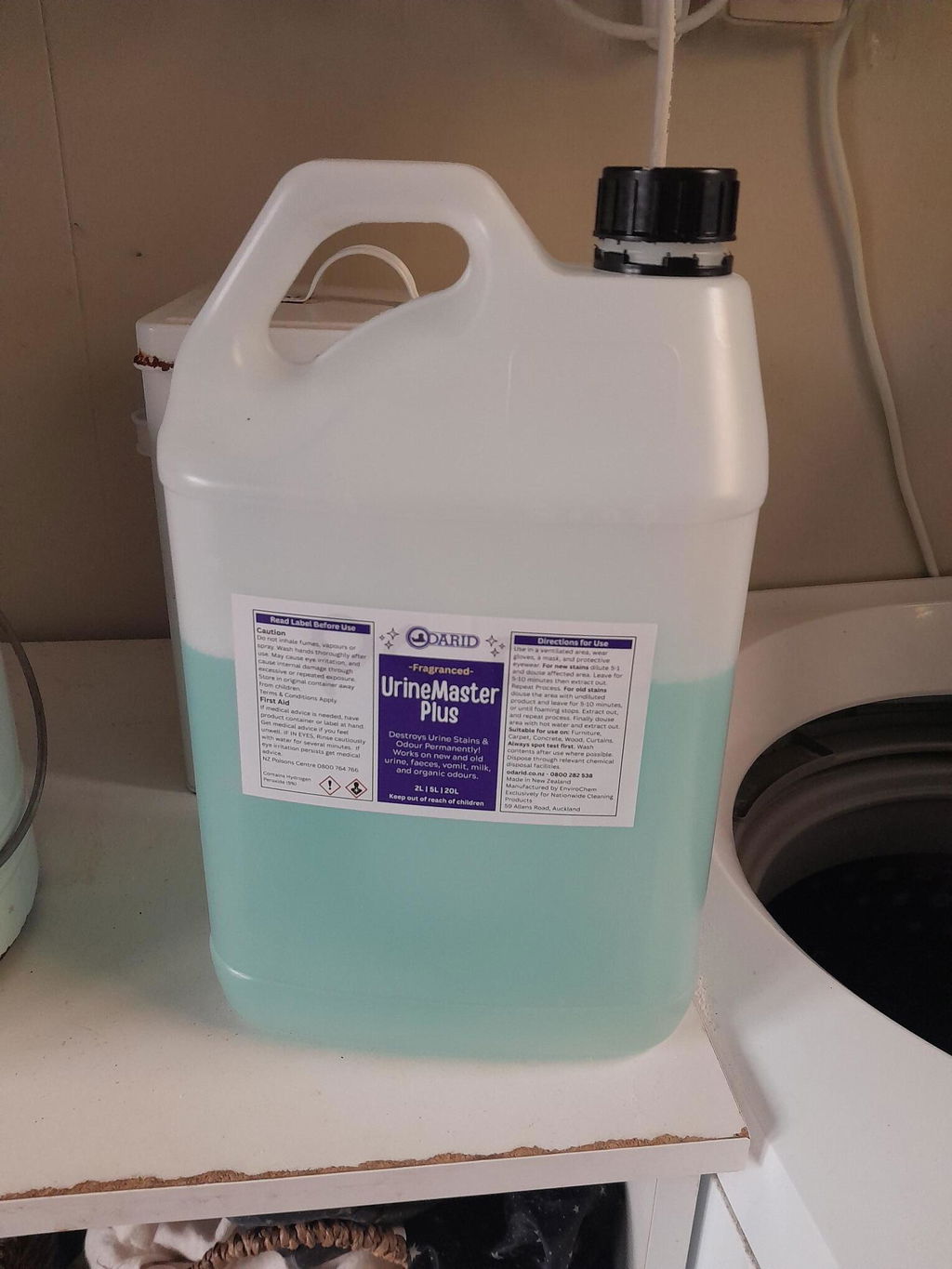
This is where specialist products earn their keep. A tested, professional-strength formula can save time, repeat cleaning, and frustration. Cleansmart's Odarid is built for exactly this kind of problem - treating urine odours and stains in carpets, rugs, fabrics and more by attacking the source rather than layering scent over it.
For homes with pets, that matters for another reason. If a rug still carries even a faint urine trace, animals may return to the same spot. Proper odour removal helps break that cycle.
A few signs you need to retreat the area
If the smell improves when wet and worsens again as it dries, you likely have residue left behind. If the rug smells stronger on humid days, the contamination may still be in the backing. And if your pet keeps sniffing or marking the same place, trust that instinct - they are picking up something you have not fully removed.
Retreating is not failure. It usually means the original accident spread further or deeper than expected. A second, more thorough application often solves what a light first pass could not.
Prevention helps, but only after proper removal
Once the rug is clean and fully dry, it is worth thinking about prevention. For puppies, senior pets, or animals adjusting to a new home, accidents can happen in the same area repeatedly. Washing washable rugs more regularly, using washable mats near doors, and addressing toileting habits early can all help.
But prevention only works if the old odour is gone first. If even a trace remains, the rug can keep inviting repeat accidents.
A urine smell in a rug is one of those problems that gets expensive when handled halfway. Treat the full area, use a product designed to eliminate the source, and give it time to work. Fresh air is nice, but real freshness comes from removing what is causing the smell in the first place.
Get urine smell out of rugs properly, the first time
Odarid is safe on rugs and carpet, and it treats the odour at the source rather than covering it up.
Shop Odarid →750+ five-star reviews on Odarid alone · NZ-made, family-run since 2004