If your turf starts smelling a bit off after rain, pets or a run of humid days, you do not need to rip it up or drown it in perfume-heavy cleaners. This guide to cleaning artificial grass is about getting rid of the real problem - trapped debris, bacteria, urine residue and organic build-up - so your lawn looks better and smells fresh for the right reasons.
Artificial grass is low maintenance, not no maintenance. That difference matters. A quick hose-down now and then helps with dust, but it will not shift pet urine salts, sticky spills, mould spores or the grime that settles into the backing over time. If you have kids, dogs, bare feet and summer entertaining all sharing the same patch of turf, a proper cleaning routine keeps it looking good and makes the area more pleasant to use.
Why artificial grass gets dirty faster than people expect
Most homeowners expect artificial turf to handle anything. In one sense, it does. It will not turn muddy, it does not need mowing, and it stays usable through wet weather. But because the fibres and infill can trap organic matter, dirt tends to build up in ways that are less obvious than on natural grass.
Leaves break down into fine debris. Pet urine can dry into crystals that reactivate with moisture. Food spills attract bacteria. Shade and damp conditions can encourage mould or algae, especially in corners with poor airflow. None of that means artificial grass is a bad option. It just means the cleaning approach needs to match the problem.
Guide to cleaning artificial grass by problem type
The best results come from treating what is actually there, rather than using one cleaner for everything.
For everyday dust, dirt and leaf debris
Start with the simple stuff. Remove loose debris with a stiff outdoor broom, plastic rake or leaf blower. Brush against the grain to lift flattened fibres and pull out trapped leaves, hair and dry dirt. If the area is large, work in sections so you do not miss edges or pet toilet spots.
After that, rinse with water. A garden hose is usually enough for routine maintenance. You are not trying to soak the base. You just want to wash fine particles through and off the surface. If your turf drains well, this step is quick. If it drains slowly, that is a sign you may have compacted debris or a deeper hygiene issue that needs more than water.
For pet urine odours
This is where many turf owners get frustrated. Artificial grass does not absorb urine the way natural grass does, so the smell should not linger forever. But the reality is that urine can sit in the fibres, infill and backing, especially if it is not rinsed regularly. On warm days, the odour comes back fast.
The mistake is using heavily fragranced cleaners that simply cover the smell for an hour or two. If the goal is a genuinely fresh lawn, the urine residue needs to be broken down and flushed through. That usually means starting with a water rinse to dilute fresh urine, then applying a targeted odour remover designed to eliminate the source rather than mask it.
This is particularly important in multi-pet homes, where the same patch gets repeated use. In those cases, a weekly rinse may not be enough. You may need a stronger treatment on the toilet area and a lighter maintenance clean across the rest of the turf.
For food, drink and greasy spills
Most spills on artificial grass are easier to deal with than on carpet, but timing matters. Pick up solids first, blot liquids if needed, then rinse. If residue remains, use a mild cleaning solution suitable for synthetic surfaces and agitate gently with a soft to medium brush.
Greasy barbecue drips or sunscreen smears can cling to the fibres. These need more than plain water, but you still want to avoid anything too harsh. Solvent-heavy products or bleach can affect colour, damage the backing or leave the area unpleasant for pets and children.
For mould, algae and slime
If your turf feels slippery, looks green in patches or has black spotting near fences and shaded edges, you are probably dealing with mould or algae rather than dirt alone. This is common in damp parts of New Zealand, particularly where sun is limited and organic matter sits too long.
The fix depends on severity. Light surface growth can sometimes be brushed out and treated with an appropriate outdoor cleaner. More established mould needs a proper remover that can kill growth at the source. You also need to address the conditions causing it - poor drainage, low airflow, overhanging plants or constant shade - or it will return.
How to clean artificial grass properly
A good guide to cleaning artificial grass should be realistic. You do not need a complicated kit. You do need the right sequence.
First, clear the area. Remove toys, furniture, pet bowls and anything else sitting on the turf. Pick up obvious waste, then brush or blow away dry debris. This stops you turning leaves and dirt into sludge once water goes on.
Next, rinse the lawn. This helps you see where the real problem spots are. Often the urine areas, stained patches or mouldy sections become more obvious after the first rinse.
Then apply the appropriate cleaner only where needed, or across the full area if hygiene and odour are widespread. Follow the label directions carefully. More product is not always better, especially on synthetic surfaces where residue can build up if not rinsed properly.
Allow enough contact time. This is the step people rush. If a product is designed to break down odours, stains or biological matter, it needs a few minutes to do the work. Scrub only if the manufacturer recommends it, and use a brush that will not damage the turf fibres.
Finish with a thorough rinse. Then let the area drain and dry. Once dry or nearly dry, brush the pile upright again to restore the look of the grass.
What to avoid on artificial turf
Artificial grass is durable, but not indestructible. A few common habits do more harm than good.
Boiling water can warp some turf materials, especially in hot weather. Metal rakes can tear fibres or backing. Strong bleach mixes may deal with discolouration in the short term but can shorten the life of the lawn and create an unpleasant surface for pets. High-pressure washing can also be risky if used too aggressively, as it may disturb infill or damage joins.
Homemade cleaning mixtures are another mixed bag. Vinegar gets recommended for everything, but on artificial grass it is not always the best answer. It can help with light deodorising, but it is rarely strong enough for established urine odours or mould. If the issue is serious, using a purpose-made treatment usually saves time and repeat cleaning.
How often should you clean artificial grass?
That depends on how you use it.
A front lawn with no pets and little foot traffic may only need a light monthly tidy and an occasional deeper clean. A family back garden used by two dogs every day needs more attention. In that setting, brushing and rinsing weekly is sensible, with a proper odour treatment as needed.
Season also matters. Autumn brings leaf build-up. Winter and spring can increase mould risk in shaded spots. Summer tends to expose odours quickly, especially after dry spells followed by rain.
The easiest routine is a little and often. Letting grime build up for months usually means more product, more effort and a less convincing result.
Choosing the right cleaner for the job
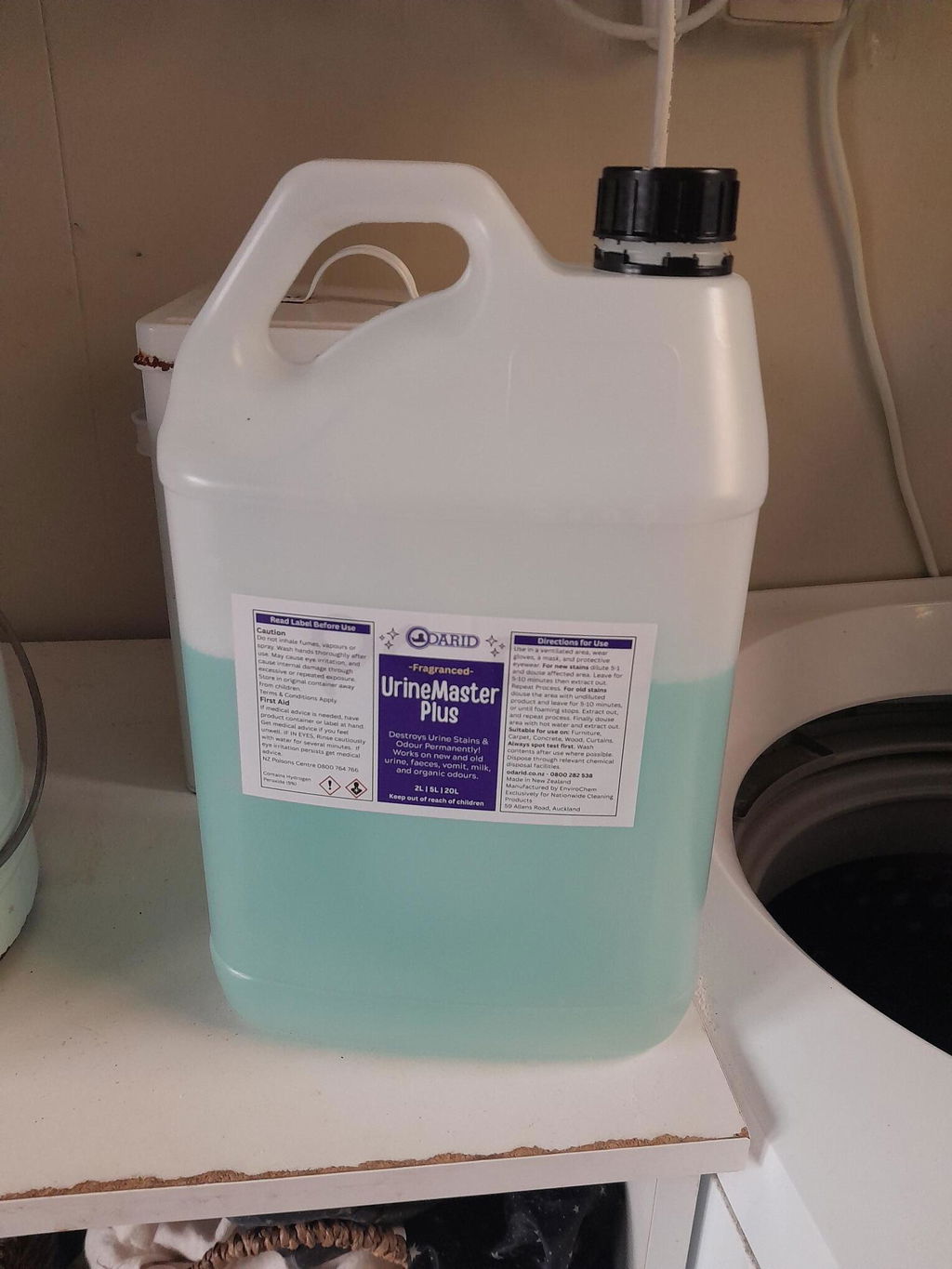
If you are buying a product for artificial turf, focus on outcome, not fragrance. You want something that tackles urine odour, organic staining or microbial growth at the source. For pet areas, that means an odour eliminator rather than a perfume spray. For mould, it means a cleaner formulated to remove growth rather than just brighten the surface.
Safety matters too. In Kiwi homes, the lawn is rarely just decorative. It is where dogs roll, kids play and everyone walks in bare feet. A professional-strength product should still be suitable for household use when directions are followed. That balance matters.
At Cleansmart, that problem-solving approach is the whole point - eliminate the source, do not just cover it up.
When cleaning is not enough
Sometimes the issue is not really the grass. It is what is happening underneath it.
If odours keep returning despite proper treatment, check drainage. If water pools or drains slowly, urine and organic waste may be sitting below the surface. Likewise, if mould repeatedly comes back in the same area, the site conditions need attention. Trimming back plants, improving sun exposure or dealing with base compaction may do more than another round of cleaner.
That is the trade-off with artificial turf. It saves work in some ways, but it also makes hidden build-up easier to miss. Once you understand that, maintenance gets simpler.
A clean artificial lawn should smell neutral, feel comfortable underfoot and look upright rather than matted. If yours does not, the answer is usually not more fragrance or harder scrubbing. It is a smarter clean, done in the right order, with products that deal with the cause rather than the cover-up.