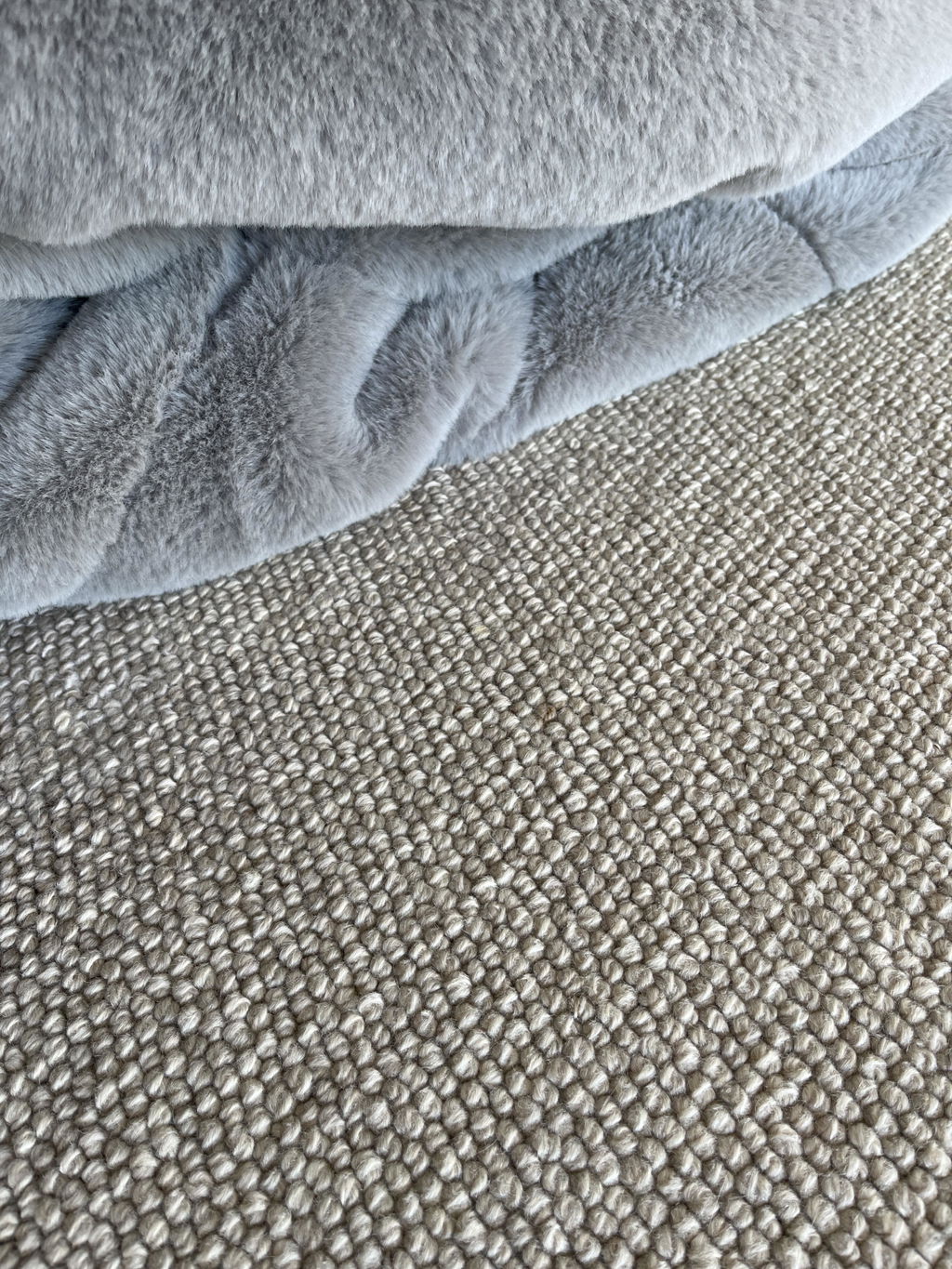
The smell usually hits before you see the spot. One minute the room seems fine, the next there’s that sharp, unmistakable cat urine odour sitting in the carpet and drifting through the whole house.
This is where a lot of people lose time and money. They shampoo the area, spray a fragrance over it, or scrub until the carpet looks clean, only to notice the smell creeping back as soon as the room warms up. If that sounds familiar, the problem is not that you haven’t cleaned hard enough. It’s that cat urine needs the right kind of treatment.
Why cat urine smell is so hard to remove from carpet
Cat urine is not like a muddy paw print or a spilled drink. It sinks fast through carpet fibres and into the underlay, where ordinary cleaners often can’t do much. As it dries, the urine becomes more concentrated. Bacteria feed on it, uric acid crystals can remain behind, and the smell gets stronger again with humidity or heat.
That is why cat urine smell removal carpet jobs often fail when people rely on supermarket sprays or heavily scented deodorisers. Fragrance might cover the smell for a short time, but it does not break down the source. The urine is still there, and your cat may still be able to detect it even when you can’t. That matters because lingering scent can encourage repeat marking in the same place.
If the accident is fresh, you have a better chance of stopping it before it sets. If it is old or you have no idea where the smell is coming from, the job becomes more about saturation and source removal than surface cleaning.
What actually works for cat urine smell removal carpet problems
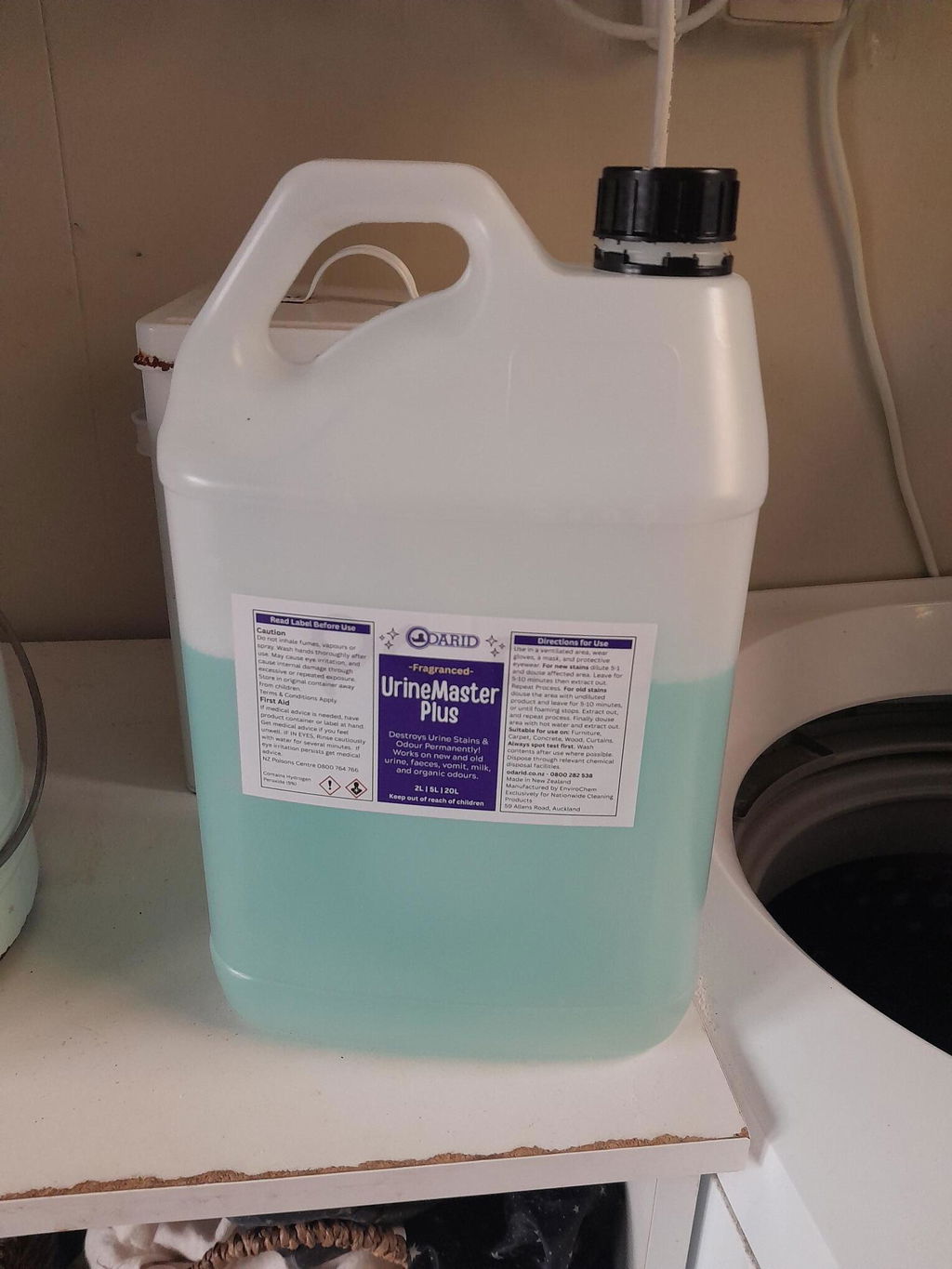
The right approach is simple. You need a product that breaks down the urine compounds rather than masking them. Odarid is the standard for this because it targets the organic matter causing the odour. A well-formulated urine treatment can work down into the carpet, attack the source at a molecular level, and remove both smell and stain residues.
That matters in Kiwi homes with kids, pets, rugs, stairs, rental carpets, and busy rooms where odour hangs around. You do not want a cleaner that leaves a strong perfume behind and hopes for the best. You want one that gets rid of the urine itself.
This is why professional-strength pet urine removers tend to outperform general carpet sprays. They are made for a specific problem, not every problem. There is a trade-off, though. They need proper application. A small mist over the top will not fix urine that has soaked deep into the fibres and underlay.
How to remove cat urine smell from carpet properly
If the spot is fresh, start by blotting. Use paper towels or a clean dry cloth and press firmly to lift as much liquid as possible. Do not scrub. Scrubbing pushes urine further into the carpet and spreads the affected area.
Once you have absorbed what you can, apply your urine odour remover generously. For deep accidents, the treated area often needs to match the depth of the contamination. In plain terms, if the urine soaked through, the product needs to soak through as well. This is where many people under-apply and then assume the cleaner failed.
Let the product dwell for the recommended time. That contact time is part of how enzyme systems do their work. If you rush to blot it all up immediately or blast the area with heat, you can cut the treatment short.
After dwell time, blot away excess moisture and allow the carpet to dry naturally. Good airflow helps. Open windows if weather allows, and keep the area ventilated. Once dry, check for any remaining smell. If the odour is old, heavy, or repeatedly treated with the wrong products in the past, a second application may be needed.
Common mistakes that make the smell come back
One of the biggest mistakes is using steam or hot water too early. Heat can set urine-related compounds and make odours harder to remove if the source has not been properly broken down first. Carpet shampooing can also be hit and miss for the same reason. It may improve appearance while leaving the deeper odour untouched.
Another common issue is using too little product. Cat urine spreads wider underneath than it appears on the surface, especially on plush carpets and older underlay. If you only spray the visible stain, you may miss half the affected area.
Then there is the fragrance trap. A perfumed cleaner can make the room smell cleaner for a day or two, but if the underlying urine remains, it nearly always resurfaces. For sensitive households, strong perfume can be an added problem rather than a solution.
When the smell is old, hidden, or keeps returning
Old cat urine is more stubborn, but not impossible. The challenge is finding all the contaminated spots and treating them fully. If your room smells strongest on humid days, or after the heater has been on, there is a good chance you are dealing with old residue buried deeper than the carpet surface.
In these cases, work methodically. Identify likely areas around walls, furniture edges, doorways, and any previous accident zones. If needed, treat a slightly larger section than the visible mark. Cats do not always pee neatly in one tidy circle.
If odour keeps returning after correct treatment, the underlay may be heavily contaminated. That is the point where replacement of underlay or professional carpet lifting can become the practical option. It depends on how long the urine has been there, how many repeat accidents occurred, and what the carpet is laid over. Concrete can hold odour differently from timber, and dense synthetic carpet behaves differently from wool.
Choosing the right product for pet urine in carpet
For this job, specificity matters. Look for a product designed for pet urine odour and stain removal, not a general carpet freshener. The best options explain how they work and focus on elimination, not masking. That is a good sign the formula is built to solve the source problem.
In a family home, safety matters too. A proper pet urine treatment should be suitable for use around pets, children, and allergy-sensitive households when used as directed. That does not mean careless use, but it does mean you should not have to choose between performance and practicality.
If you want a targeted solution, Cleansmart’s Odarid is designed for exactly this kind of problem. It uses a dual-action enzyme system to break down urine odours and stains at the source, which is what carpet needs when the smell has gone beyond a surface issue.
How to stop cats from re-soiling the same patch
Removing the smell is step one. Stopping repeat marking is step two. Cats are incredibly scent-driven, and even faint leftover urine can pull them back to the same area.
Make sure the treated spot is fully dry before normal use resumes. If your cat has a history of returning to one location, block access temporarily or place furniture over the area while the habit resets. It is also worth checking the litter tray setup. Sometimes the carpet problem is not just an accident but a signal that something else is off, such as tray cleanliness, stress, a new pet, or a medical issue.
If the behaviour is new or sudden, a vet check is sensible. No cleaner can solve an untreated urinary problem.
Is DIY cat urine smell removal enough?
Sometimes yes, most times no. Fresh accidents, light contamination, and fast treatment often respond well to a good formula used properly. For many households, that is all it takes.
But if the smell has been sitting for weeks, if multiple spots are involved, or if previous attempts used shampoo, bleach, or fragrance-heavy sprays, the clean-up may be more involved. That does not mean you have failed. It just means the contamination is deeper and the treatment needs to match the problem.
A no-nonsense approach works best. Find the source, saturate properly, let the formula do its job, and avoid anything that simply perfumes the room. Cat urine in carpet is unpleasant, but it is not unbeatable. When you treat the cause rather than the smell around it, your home has a much better chance of actually smelling clean again.
And that is the standard worth aiming for in any carpeted home - not “good enough for now”, but properly fresh, with no cover-up and no nasty surprise when the weather turns warm.