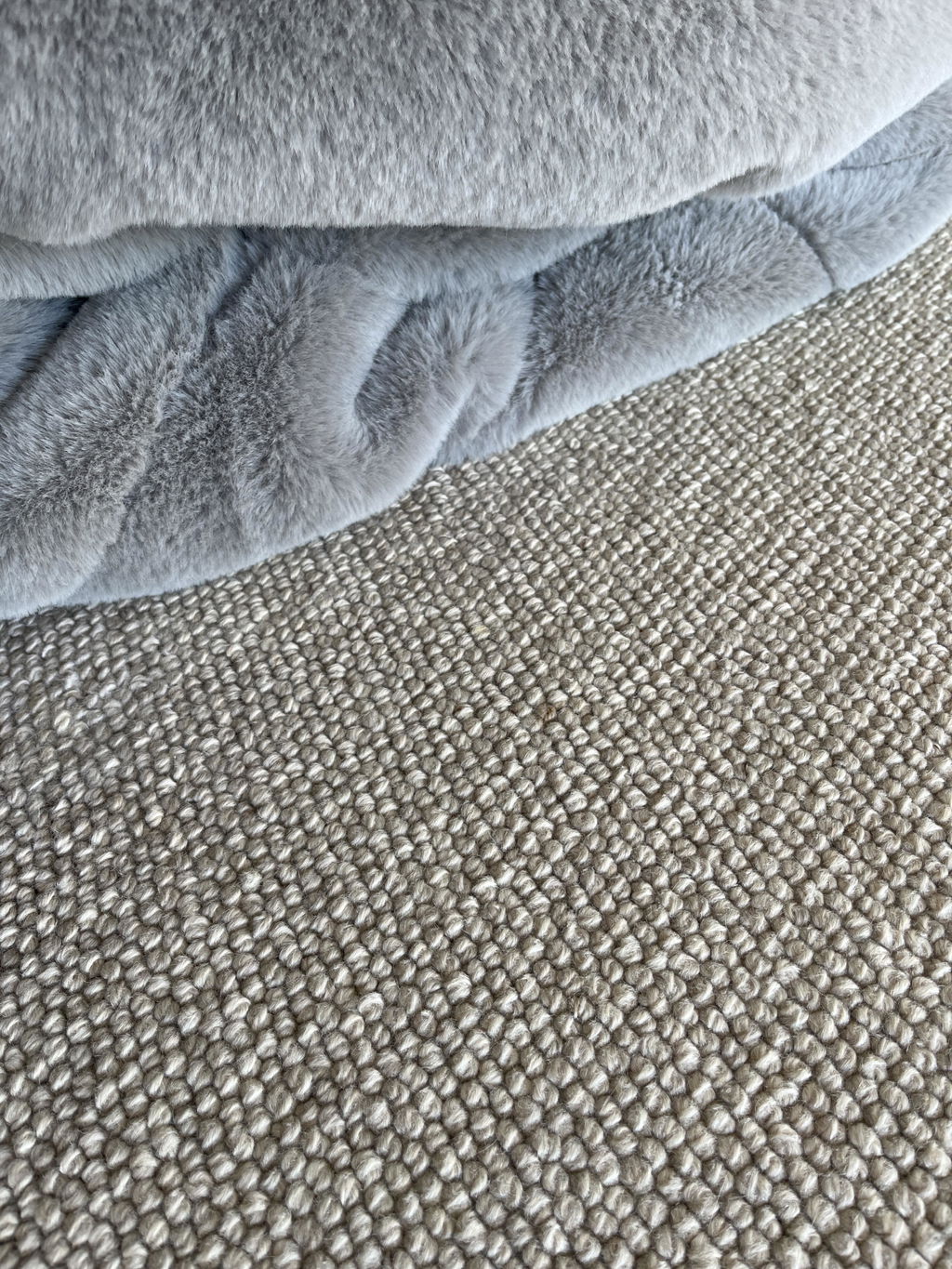
That faint whiff of dog wee or cat spray in the lounge usually means one thing - the rug is still holding onto more than you can see. A good pet stain remover for rugs needs to do more than lift the mark on the surface. It needs to break down the urine compounds causing the smell, or pets will often keep coming back to the same spot.
Rugs are one of the hardest soft furnishings to treat properly because the mess rarely stays on top. It sinks through fibres, into the backing, and sometimes into the underlay or floor beneath. That is why supermarket cleaners can seem to work for a day or two, then the smell returns the moment the room warms up. The stain may look gone, but the source is still there.
What makes a pet stain remover for rugs actually work?
The short answer is chemistry. If a product only adds fragrance or acts like a standard carpet shampoo, it may freshen the area briefly without solving the real problem. Pet urine is made up of proteins, uric acid crystals and bacteria by-products. Those components need to be broken down, not covered up.
That is where targeted formulations matter. A proper pet stain remover for rugs should be designed to penetrate fibres and backing, then neutralise the source of the odour at a molecular level. In many cases, that means an enzyme-based or hydrogen peroxide-based formula, depending on the stain type and the rug material.
It also needs enough contact time to work. People often spray, dab once, and expect instant results. For fresh accidents, quick action helps. For old or repeat pet spots, the product usually needs time to soak into the area and fully break down what is trapped below the surface.
Why rugs are different from wall-to-wall carpet
A rug takes more punishment than most people realise. Pets nap on it, chew toys on it, drag wet paws across it and, when they are unwell or still in training, have accidents on it. Unlike fitted carpet, rugs are often made with decorative fibres, dyes and backings that can react differently to cleaning products.
That means the best treatment depends on the rug itself. A synthetic rug can often handle a stronger cleaning approach than a delicate wool or hand-finished rug. A flatweave rug behaves differently from a thick pile rug that traps liquid deep below the surface. If you use the wrong product or over-wet the area, you can end up with dye movement, fibre distortion or a lingering damp smell.
This is why spot testing matters, especially on coloured or natural-fibre rugs. It is not about being overly cautious. It is about fixing one problem without creating another.
Fresh pet stains versus old set-in stains
Not every pet mess needs the same response. Fresh urine is usually easier to remove because it has not had time to dry into the backing and crystallise. If you catch it early, blotting firmly with a clean towel before applying treatment can make a big difference.
Old stains are another story. Once urine dries, the odour compounds become more concentrated. Humidity can reactivate them, which is why a rug can smell fine one week and foul the next. In these cases, the cleaning product has to reach beyond the visible stain. Surface cleaning alone will not cut it.
Faeces, vomit and bile also need a slightly different approach. The stain may contain organic matter, oils and pigment, especially if the pet has eaten rich food or medication is involved. A no-nonsense cleaner should deal with both the mark and the smell, but the exact result still depends on how long the stain has been sitting and what fibre the rug is made from.
How to treat a rug properly without making it worse
The first rule is simple - do not scrub aggressively. Hard scrubbing pushes the stain deeper, roughs up fibres and can spread the mess wider than it started.
Start by removing as much excess moisture or solid matter as possible. Blot with a dry white cloth or paper towel so you are not adding colour transfer into the rug. Then apply the product generously enough to reach the affected area, not just the visible top layer. With urine in particular, that often means treating a slightly larger area than the stain you can see.
Leave it to work for the recommended dwell time. This is the part many people rush, and it is often why odours come back. After that, blot again. Some rugs may benefit from a light rinse or extraction, but that depends on the product directions and the rug construction.
If the rug has been hit more than once in the same spot, you may need a second treatment. That does not mean the product failed. It usually means the contamination went deeper than expected.
The signs your current cleaner is not enough
If you have cleaned the rug and your pet still sniffs, paws at, or toilets in the same place, there is a fair chance the odour remains. Pets can detect what humans miss. Strong perfume is not proof of cleanliness. In fact, fragrance-heavy products often make it harder to tell whether the source has actually been removed.
Another warning sign is a stain that lightens but keeps reappearing. That can happen when residue wicks back up from the backing as the rug dries. It is common with older urine spots and with rugs that have been over-wet.
You may also notice the room smells worse on warm afternoons or after the heater has been on. That usually points to remaining contamination in the rug base or underneath it.
Choosing the best pet stain remover for rugs in Kiwi homes
For most households, the right choice comes down to four things: whether it removes odour at the source, whether it is suitable for the rug fibre, whether it is safe to use around pets and children, and whether it works without leaving a sticky residue behind.
Professional-strength formulas have an edge here because they are built for problem-solving rather than perfume. That matters in busy homes where the rug is in the middle of family life and you need real results, not a temporary cover-up. If your dog has had repeated accidents indoors, or your cat has marked the same corner more than once, you need a formula that targets the cause and helps stop repeat offending.
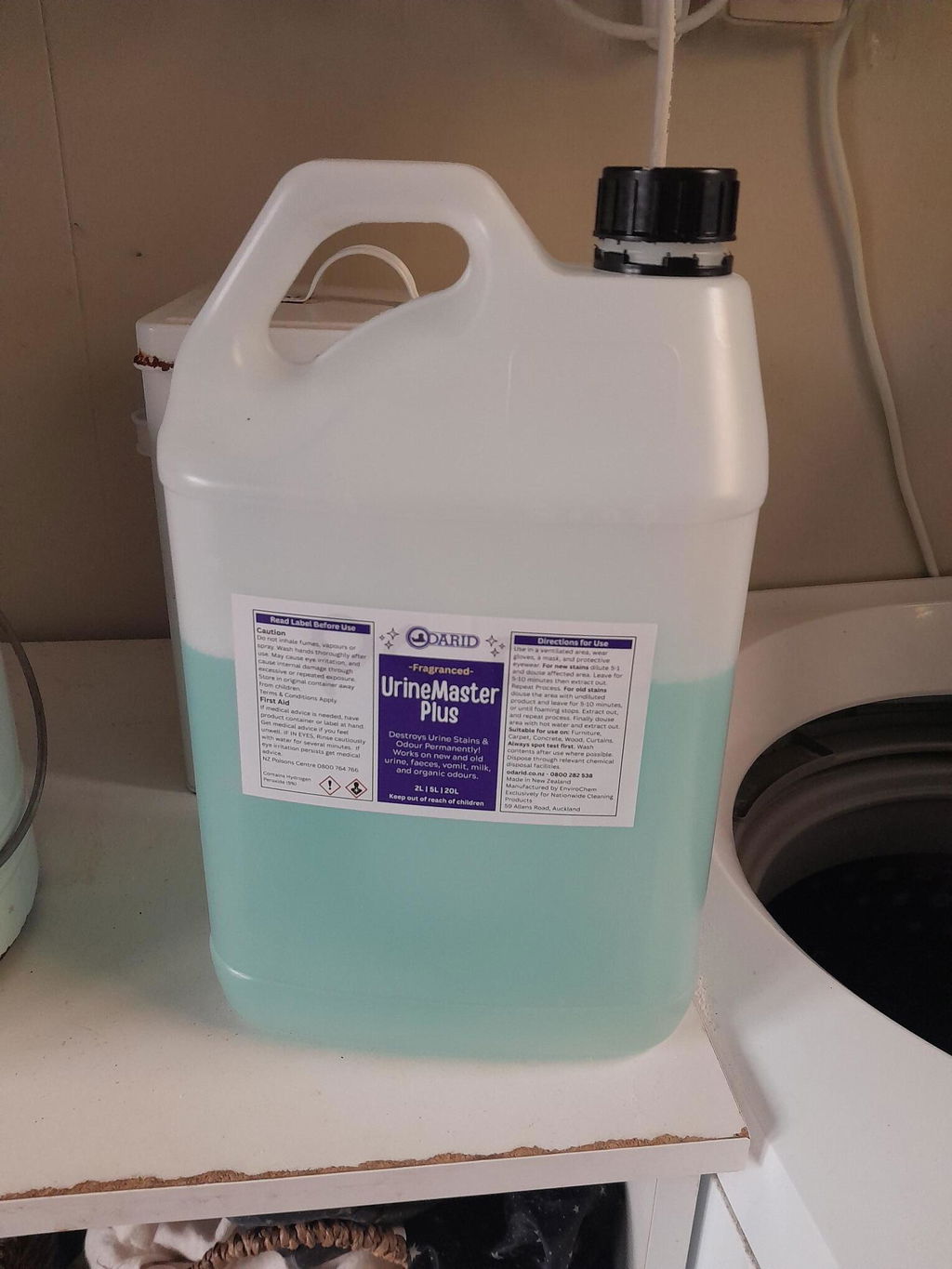
A product like Odarid fits that job because it is designed specifically for urine odour and stain removal rather than general freshening. That difference matters. Purpose-built solutions tend to perform better on pet accidents because they are formulated for the chemistry of the stain, not just the appearance of it.
For NZ households, there is also value in choosing products made for real home use rather than commercial-only systems that are fiddly, harsh or impractical. You want something strong enough to work and straightforward enough to use properly on a Tuesday night when the dog has had another accident on the hallway rug.
When you should call in a professional
Sometimes home treatment is enough. Sometimes it is not. If the rug is antique, hand-knotted, made from delicate wool, silk-blend or natural plant fibres, caution is the smart move. The same goes for rugs with unstable dyes or heavy saturation that has soaked right through to timber flooring underneath.
Professional cleaning may also be worth it if the odour has been building for months, the pet accident is one part of a bigger hygiene issue, or multiple DIY attempts have left residue in the fibres. A specialist can assess whether the rug needs immersion washing, sub-surface treatment or controlled drying.
That said, plenty of everyday rugs in Kiwi homes respond well to the right product used the right way. The key is not to delay and not to rely on masking agents.
Prevention matters as much as cleaning
If your pet is repeating the behaviour, cleaning the rug is only half the fix. Puppies in training, older dogs with bladder issues, stressed cats and multi-pet households all need a slightly wider plan. Remove the odour fully, then look at why the accident happened in the first place.
That may mean more frequent toilet breaks, checking litter tray placement, managing anxiety triggers, or speaking with your vet if the behaviour is unusual. No cleaner can solve a medical or behavioural issue on its own, but the right one does remove the scent trail that encourages repeat accidents.
For households that want a direct, proven option, Cleansmart focuses on targeted formulations that eliminate the source rather than hiding it. That is the standard worth looking for.
A rug does not need to be ruined because a pet had an accident on it. Most of the time, the difference between a lingering problem and a properly clean home is using a treatment that goes after the cause, giving it time to work, and not settling for a nice smell as proof the job is done.