A path can go from tidy to treacherous faster than most people expect. One wet spell, a bit of shade, and suddenly the concrete or pavers outside your home are green, black and slippery underfoot. It does not just look neglected. It becomes a real safety issue, especially around entrances, garden walkways and high-traffic areas where kids, pets and visitors are walking every day.
If you are looking for a moss and mould remover for paths, the main question is not whether you need one. It is whether the product will actually kill the growth at the source, or just lighten the surface for a week or two. That difference matters. A cosmetic clean can make a path look better temporarily, but if the spores and organic growth are still there, the problem comes straight back.
What a good moss and mould remover for paths should actually do
Outdoor growth is stubborn because it is not just sitting on top of the surface. Moss, mould, algae and lichen can hold onto porous materials such as concrete, stone and grout lines, especially in damp or shaded spots. A proper treatment needs to do more than wash away the visible layer.
The best products work by targeting the biological growth itself so it dies off and breaks down over time. That means less regrowth, less scrubbing and a safer result underfoot. For Kiwi homes, that is especially relevant in areas that stay damp through winter, near fences and hedges, or around south-facing paths that never seem to dry out properly.
A good path treatment should also be easy to apply. If a product only works after aggressive water blasting and heavy scrubbing, it is doing half the job at best. Professional-strength formulas are popular for a reason. They are built to solve the cause of the problem, not just improve the appearance for the weekend.
Why paths get slippery so quickly
Moss and mould thrive where moisture lingers. That sounds obvious, but on paths there are usually a few overlapping causes. Shade is a big one. So is poor drainage. Leaf litter, soil splash, overhanging plants and regular foot traffic can all create the ideal conditions for growth to establish and spread.
Concrete paths are particularly prone because they are porous. They hold moisture in tiny pockets, giving spores and moss fragments somewhere to settle. Pavers can be just as bad, especially if the joints trap dirt and stay damp after rain. Even decorative stone and painted concrete can develop a slick film that makes the area feel unsafe.
This is why a general outdoor cleaner is not always enough. Dirt is one issue. Biological growth is another. If you treat mould and moss like ordinary grime, you usually end up cleaning harder and more often.
Choosing the right product for your surface
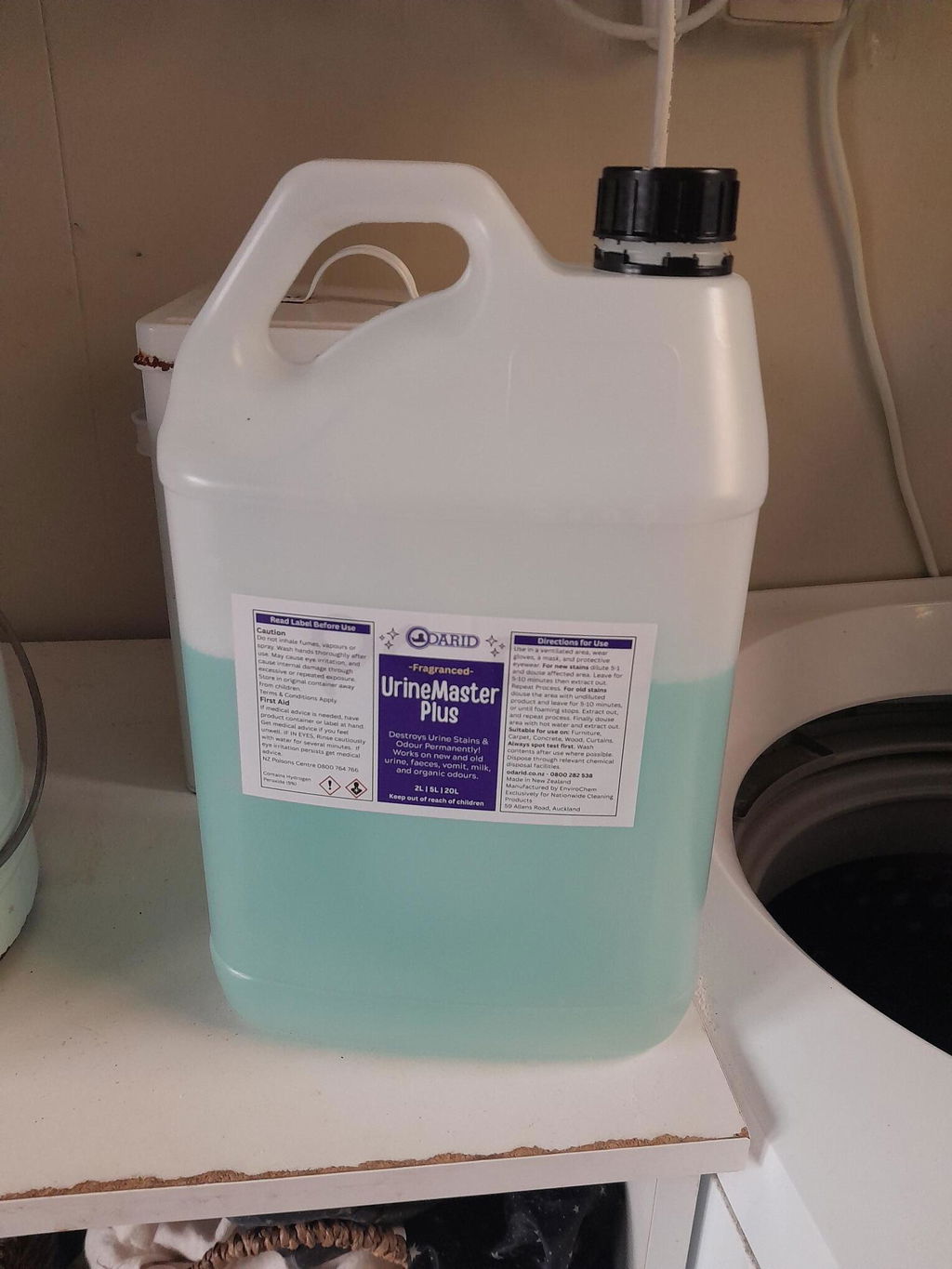
Not every path is the same, and that is where some people come unstuck. A moss and mould remover for paths needs to match both the type of growth and the material underneath it. This is a popular product that is used by professionals
On plain concrete or standard pavers, you usually have more flexibility. These surfaces can handle stronger treatment, and the main aim is to kill growth thoroughly and reduce slipperiness. On decorative stone, sealed surfaces or painted finishes, it is worth checking directions carefully first. Some products are designed for heavy-duty outdoor use, while others are better suited to more delicate areas.
It also depends on how far the growth has spread. Light green film on a path after rain is one thing. Thick moss in the joints, black mould staining and built-up lichen are another. The heavier the contamination, the more important it is to choose a product that is meant for eradication rather than maintenance cleaning.
If pets use the area, safety after treatment matters too. That does not mean choosing a weak formula. It means using a product exactly as directed and allowing proper drying time before normal use resumes. For most households, performance and practical safety need to go together.
What to avoid when treating moss and mould on paths
The biggest mistake is reaching for anything that promises instant whitening and assuming it has solved the problem. Some harsh cleaners can bleach the appearance of stains without fully dealing with the living growth underneath. The path may look cleaner for a short time, but the slippery layer often returns quickly.
Another common issue is over-reliance on pressure washing. Water blasting can be useful for removing surface debris, but on its own it often spreads spores around and can roughen porous surfaces, which gives new growth even more places to take hold. Used too aggressively, it can also damage grout lines, coatings and softer stone.
Homemade fixes can be hit and miss as well. Vinegar, dishwashing liquid and baking soda mixtures get talked about a lot, but they are not always effective on established outdoor growth. They may help with very light surface film, yet often fall short on deeply rooted moss, black mould or recurring path slime. If you have tried a few DIY options already and the problem keeps coming back, that is usually the sign you need a purpose-made treatment.
How to get the best result from a path treatment
Application matters almost as much as product choice. Start by clearing loose leaves, dirt and debris from the path so the remover can contact the affected surface properly. If the area is heavily covered, a light brush to remove the thick top layer can help, but you should not need to scrub the life out of it.
Most path treatments work best when applied in dry weather, with no immediate rain due. That gives the formula time to do its job. Some products are designed to be left to work gradually, which can actually be an advantage. Instead of forcing a rushed cosmetic result, they continue breaking down growth after application and make ongoing maintenance easier.
It is also worth treating beyond the worst-looking patch. Moss and mould rarely stop exactly where you can see them. If one section of the path is affected, the surrounding area often has early-stage growth as well. Treating the full path or the whole damp zone usually gives a more even, longer-lasting result.
When fast results matter and when they do not
People often want to know how quickly a moss and mould remover for paths should work. The honest answer is that it depends on what you mean by work. If you mean kill the growth, a professional formula can start that process quickly. If you mean a perfectly bright-looking path by the next hour, that is not always the best measure.
Some of the most effective products are not the ones that create the most dramatic instant visual change. They are the ones that keep working, reduce regrowth and restore safer footing over days rather than minutes. For households dealing with recurring outdoor slipperiness, that long-term result is usually more valuable than a temporary quick fix.
That said, if you are preparing for a property inspection, open home or weekend entertaining, you may want a combination approach: treat the growth properly, then remove any dead residue once the product has had time to act. The key is not to confuse appearance with elimination.
Preventing moss and mould from coming back
No product can permanently change a path that sits in constant shade and moisture, so prevention still matters. Trimming back overhanging plants, improving drainage and regularly clearing leaf litter all reduce the conditions that allow growth to establish. Even small changes can make a noticeable difference.
For high-risk areas, occasional maintenance treatment is often smarter than waiting until the whole path turns green again. It is easier, quicker and usually cheaper to stay ahead of the problem than to tackle a thick slippery build-up every winter.
This is where choosing a specialist brand can help. Products developed for real household problem-solving tend to be far more reliable than generic cleaners that try to do everything. At Cleansmart, the focus is on tested formulated solutions that eliminate the issue properly, not gimmicks or perfume-heavy cover-ups.
Is one treatment enough?
Sometimes yes, sometimes no. A lightly affected path in a sunny area may come right with one proper application. A heavily contaminated path that stays damp year-round may need a follow-up treatment and better maintenance habits. That is not a product failure. It is simply the reality of outdoor surfaces exposed to New Zealand conditions.
If a path has years of built-up growth, expect the process to take a bit more than one pass and a quick rinse. The right product should still make the job dramatically easier, but realistic expectations help. What you want is a formula that reduces the workload, kills the growth properly and gives you a cleaner, safer result that lasts.
A slippery path is one of those household problems that is easy to ignore until someone nearly loses their footing. Sort it early, use a treatment designed to eliminate the growth rather than hide it, and your outdoor spaces become easier to keep clean all year round.